There has always been a little place in the sidebar of the website that features a few of Victoria’s favourite Greek things, but it has expanded so much that a full page is necessary. These additions come from Victoria’s recent trip to Cyprus
Haratsi
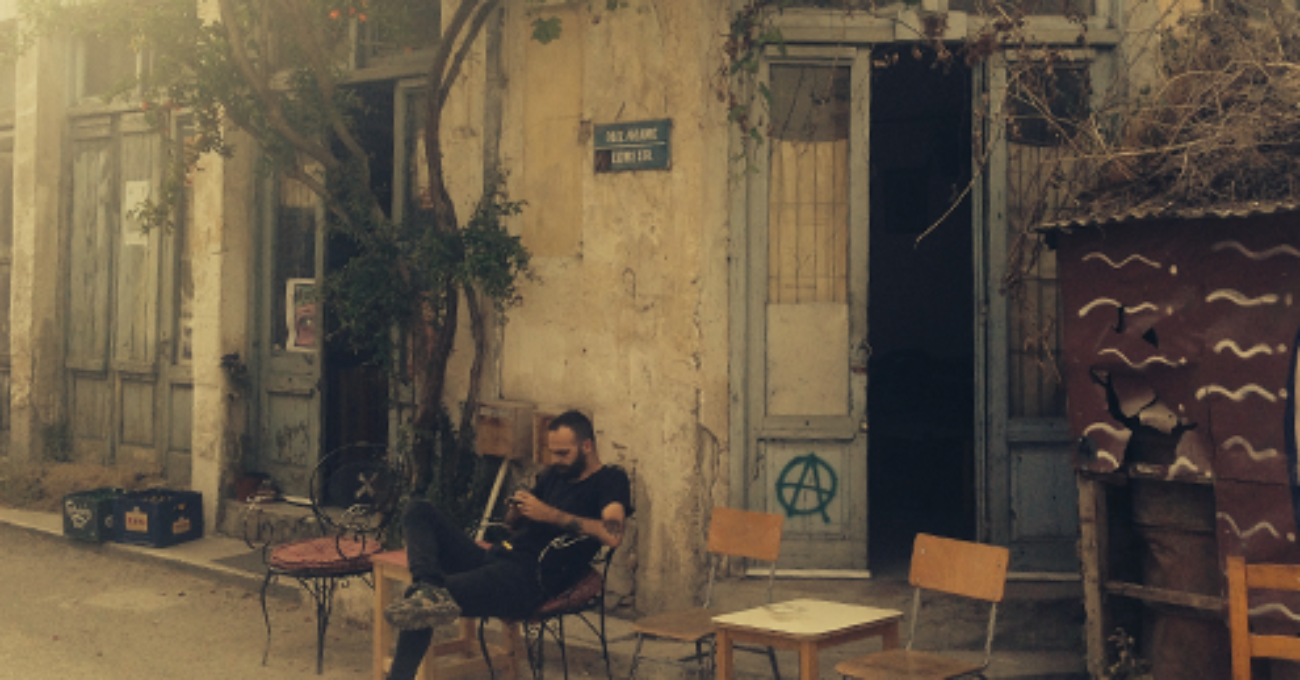
My favourite kafenion – a traditional Cypriot café, is “Haratsi” in Nicosia. This is specifically located above the famous “green line” of the city, the border between the north and south of the city. Founded in 1933, and open to absolutely everyone.
Taverna Siantris
One of my favourite restaurants is : Taverna Siantris, Perikleous 36 (on the Megalou Alexandrou Corner, Old Nicosia) tel 22671549. Beautiful, home-cooked, traditional Cypriot dishes.
The Old Powerhouse
Another great bar/restaurant – with modern vibe, good music – The Power House Restaurant – Palias Ilektrikis 19, Nicosia. Telephone 22432 559 A beautiful space with an enchanting little in a meticulously renovated old building
DOT
Inside a restored wood-mill is another modern restaurant with great food, superb, imaginative decor – DOT – at Athinas 6a, 1016 Nicosia. Telephone: 22101228 more information can be found here.
Derrière les tours majestueuses de l’Alhambra, les ruelles de Grenade résonnent de musique et de secrets. Venue de Londres pour prendre des cours de danse, Sonia ignore tout du passé de la ville quand elle arrive. Mais une simple conversation au café El Barril va la plonger dans la tragique histoire de la cité de Garcia Lorca et de la famille qui tenait les lieux.
Soixante-dix ans plus tôt, le café abrite les Ramirez : trois frères qui n’ont rien d’autre en commun que leur amour pour leur soeur, Mercedes. Passionnée de danse, la jeune fille tombe bientôt sous le charme d’un gitan guitariste hors pair. Mais tandis que l’Espagne sombre dans la guerre civile, chacun doit choisir un camp. Et la fratrie va se déchirer entre résistance, soumission au pouvoir montant, ou fuite.
Happée par ce récit de feu et de sang, Sonia est loin d’imaginer à quel point cette histoire va bouleverser sa propre existence…
« Deux romans seulement et déjà un style Hislop : une petite cantate qui chante doucement la Méditerranée, la famille et un passé qu’on connaît mal. »
Le Point
« Lire un livre de Hislop, c’est entrer dans un univers ou la fraternité s’oppose aux remous violents du monde. Face aux déchirures de l’Histoire, il y a le méticuleux ouvrage de la romancière qui sait si bien nouer “le fil des souvenirs” sur son métier à tisser littéraire. » ELLE
« Les dieux qui veillent sur Victoria Hislop possèdent la fibre littéraire. »
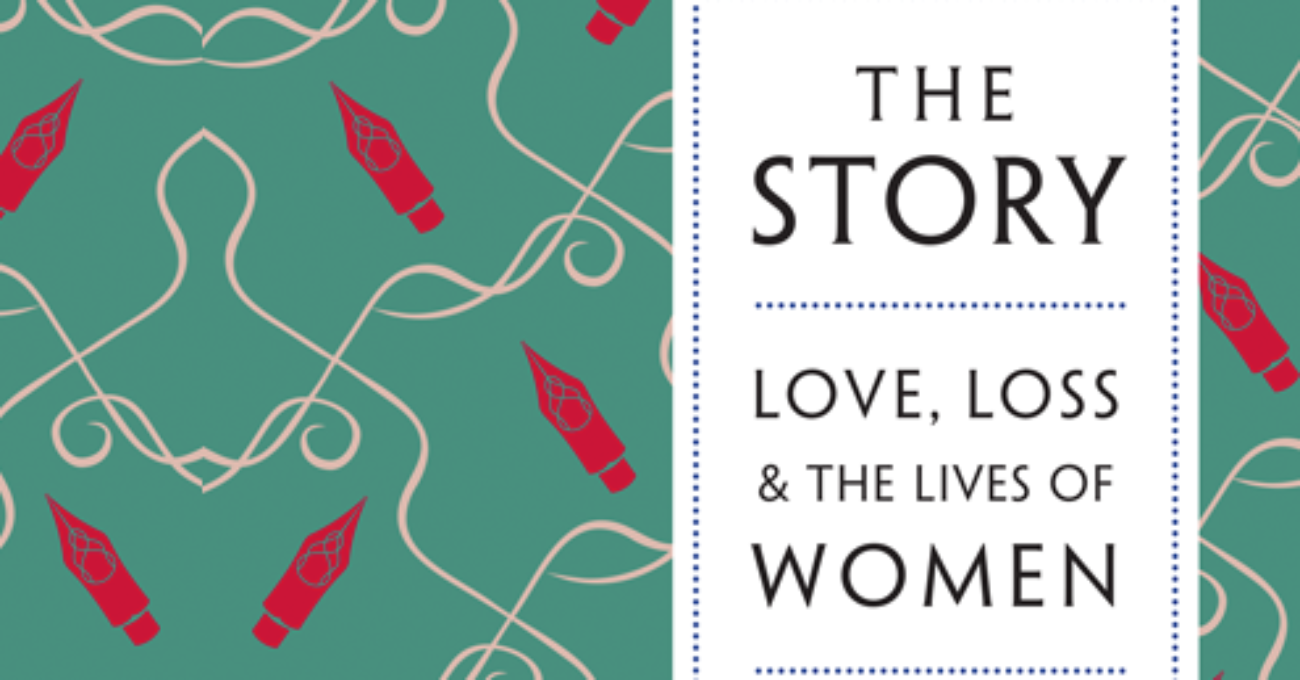
Victoria Hislop’s collection of favourite short stories by other female writers, simply titled The Story has given me more pleasure this year than almost all the rest of my reading put together. Like a box of festive Quality Street, you can dip in and never be sure what you will encounter – it might be Virginia Woolf or Alice Munro, this year’s Nobel Prize for Literature winner. Hislop highlights some of the very best writing of the past 200 years, with topics that range far and wide, from humour to pathos, and politics to sex.
Witty, heartbreaking, shocking, satirical: the short story can excite or sadden, entice or repulse. The one thing it can never be is dull. Author Victoria Hislop, a passionate ambassador for the art of the short story, has hand-picked one hundred stories from the very best women writers, bringing them together in a beautifully produced volume, with a personal introduction.
The Story features two centuries of women’s short fiction, ranging from established masters Alice Munro and Angela Carter, to contemporary rising stars such as Miranda July and Chimamanda Ngozi Adichie. Divided thematically into collections on love, loss and the lives of women, the reader will find a story for every mood, mind-set and moment in life.
‘While gathering the short stories for this anthology, I have read some of the most brilliant and profound pieces of writing that I have ever come across. The authors in this anthology range from a Nobel Prize winner, Doris Lessing, to the acknowledged queen of short stories, Alice Munro. There are Man Booker winners, Costa winners and Pulitzer winners. A few were born in the 19th century but the majority are more modern. Several of them are as yet unknown, others are household names, like Virginia Woolf. Many of the most vivid and passionate storytellers are young. And without doubt many of the most powerfully original are contemporary writers …
Random reading recommendation: The Story: Love, Loss & The Lives of Women: 100 Great Short Stories edited by @VicHislop . A rich feast.
Victoria Hislop’s collection of favourite short stories by other female writers, simply titled The Story has given me more pleasure this year than almost all the rest of my reading put together. Like a box of festive Quality Street, you can dip in and never be sure what you will encounter – it might be Virginia Woolf or Alice Munro, this year’s Nobel Prize for Literature winner. Hislop highlights some of the very best writing of the past 200 years, with topics that range far and wide, from humour to pathos, and politics to sex. Books of the Year: Mariella Frostrup, Mail on Sunday
“This huge, beautiful book is a treasure chest of 100 women’s short stories chosen by Victoria Hislop. There are classics, such as Elizabeth Taylor’s The Blush and Katherine Mansfield’s The Canary. In fact, the index reads like a roll-call of the best female writers of the past century, from Virginia Woolf to Hilary Mantel. Alongside Helen Simpson’s brilliant Up at a Villa, in which heartless teenagers get a vision of their future selves, there’s Muriel Spark’s The First Year of My Life, in which a baby narrates the world events of 1918. Relative newbies such as Lucy Wood (Diving Belles) and Chimamanda Ngozi Adichie (The Thing Around Your Neck) more than-hold their own beside thundering names such as Alice Munro, Nadine Gordimer and Margaret Drabble. A collection so good, it’s essential.” The Times.
In this beautiful and vast collection, Victoria Hislop has pas picked her glittering line-up of authors to include Nobel Laureates, Man Booker, Pulitzer and Costa prize winners.[…] these stories are all written by women and represent some of the finest modern writers in the English language. Otherwise, the scope is wide, rich and often unexpected: a collection of fluffy chick-lit this is not.
Perhaps as an early means to defy preconceptions, Hislop picks Katherine Mansfield’s incomplete “An Unmarried Man’s Story” as her appetiser. Employing a male narrator and a modernist structure, Mansfield’s abstract style is challenging but rewarding. Her fragmented glimpses of past and present create an authentic circularity in the search for reality. Other writers also use the male narrator, but no one as frankly as AM Homes, whose brilliant story opens with a man analysing his manhood; “I am sitting naked on a kitchen chair, staring at it.”
Darkly comic, Dorothy Parker’s monologue “The Telephone Call” has a woman obsess about a call to an uninterested lover: so familiar and excruciating, but it blows Bridget out of the water. Doris Lessing’s aptly named “A Man and Two Women” involves a woman drawn into a relationship between two friends: an unset t lingly voyeuristic study of married life. Most memorable, perhaps, is the mercurial love of a mother, galloping on a horse wielding a sword to save her doomed, impassive daughter in Angela Carter’s subversive “The Bloody Chamber”.
The stories cross borders of distance as well as genre and time. Yiyun Li’s “Love in die Marketplace” explores an uneasy but fierce love between mother and a forsaken daughter, each clinging to the dignity of their life, after being sidelined by their rural Chinese culture. Stylistic experimentation is not overlooked and in “The Thing Around Your Neck”, Chimamanda Ngozi Adichie writes about immigrant experience in the second person, a device that lends a fresh potency where it might irritate in a novel. Surreal and symbolic, Anna Kavan’s daring story starts with a visit from “an unusually large, handsome leopard” whose appearance begins a compulsion for the unattainable.
If perfection exists in the form it comes from Alice Munro who proves herself worthy of her recent Nobel Prize. In “Miles City, Montana” and “Gravel”, Munro reveals the devastation caused by “all our natural, and particular, mistakes”. Freya McClelland, Independent
The Story is a beautifully put together collection of 100 pieces of short fiction from masters of the genre including Angela Carter, AM Homes, Alice Munro, Flannery O’Connor, Ali Smith, Emma Donoghue, Jeanette Winterson and Katherine Mansfield. Divided into the categories Love, Loss and The Lives of Women, the volume showcases the very best writing by women, and the talent and variety on display is staggeringly impressive. From Virginia WooIf’s wonderfully wry, thought-provoking A Society, in which a group of disillusioned women agree to stop having children until they have found out what the world created by men is like, to A.M. Homes’ twisted A Real Doll, in which the young protagonist develops an intense physical relationship with a Barbie, these stories illustrate just how powerful and versatile the form can be. For fans of this sometimes overlooked genre, Christmas has come early. Diva
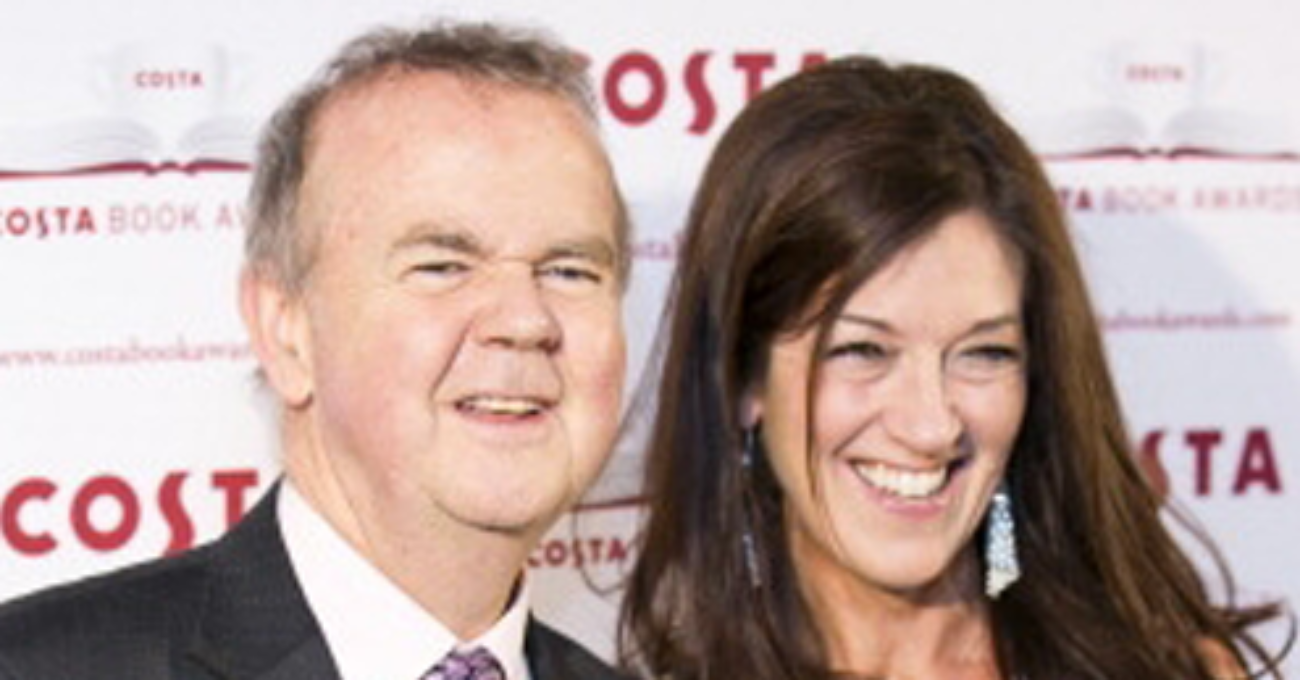
“The Costa Short Story Awards were announced on 28th January. Victoria was a judge for the short story award for the second year. This is a competition open to everyone, from established writers to those who have never been published. This year there were approximately 1500 entries and the shortlisted six were then voted on by the public to establish the final winner.
Winners
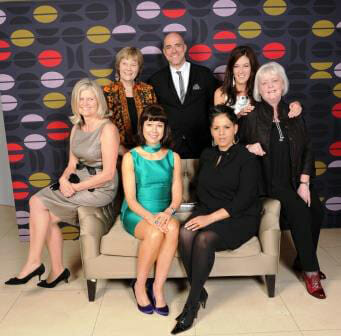
Winners and judges for the short story competition
The winner of this year’s Costa Short Story award was: Angela Readman for The Keeper of the Jackalopes
Two runners-up were also announced:
Kit de Waal for The Old Man and the Suit
Tony Bagley for The Forgiveness Thing
Different as they might be, writers Victoria Hislop and Sofka Zinovieff have at least one thing in common: a love for Greece, which has inspired more than one of their books. Balancing their native British objectivity with an acquired insight of all things Greek, they are ideal to comment on the past and present of their second -adopted- home country.
By Paris Kormaris.
Photographed by Alexandros Ioannidis.
Arranging for a joint interview of two Zinovieff and Victoria Hislop it proved to be a lesson in serendipity. I was reading “The House on Paradise Street”, Zinovieff’s third book -but first novel- in which she follows a story based in Greece between the 1940s and the beginning of the 21st century, when the idea came to me. The way she approached the country’s past and tried to make sense of its present reminded me of Hislop’s third novel “The Thread”, in which she follows her characters from the beginning of the 1920s until today. Having interviewed Hislop a couple of times since 2007, when her debut and already best seller novel “The Island” -about people living in and around a leprosy colony in Crete- was published in Greek, I thought of asking her if she knew Zinovieff and if she would agree to a joint feature with her, before addressing their respective publishing houses.
It was almost midnight when I e-mailed her, yet it only took her a couple of minutes to answer. She sent me a brief message, its subject “Look who I am with!”: it was a photo of her with Zinovieff, taken “5 minutes ago in Turkey!” As it turned out, they were there for Kaya Cultural Connections, an annual festival initiated after the British author Louis de Bernières wrote “Birds Without Wings”, about the people who were forced to leave the Greek Orthodox town of Kayaköy in the 1920s, because of the population exchange. And I was right to think that the two women had a couple of things in common. “I think probably what we’ve got in common is a huge interest in and love for Greece and an interest in the history, and we’ve sought to make stories out of that”, says Zinovieff when the three of us finally meet. “It’s quite a lot to have in common and both be British and a similar sort of age”. Surprisingly, Hislop says it was on her first visit to Athens that she fell in love with the country: “It was pre-metro. I actually don’t recall that there were any street signs or signs in English much; I just remember seeing these Greek letters and realizing that I couldn’t even pronounce anything, so it was very foreign and very dusty, and I didn’t know whether I was going East, West, North or South.
But I liked the chaos, because it’s the opposite of Britishness, really. For me, Greece is the opposite of England in so many ways and that’s what I enjoy”. Zinovieff got to know Greece in a different way: “I first visited as a teenager and then came to live in Greece as a student, doing research for a social anthropology PhD. I lived in Nafplio, in the Peloponnese, learned Greek and became a fervent philhellene! It was very exciting moving back to Greece in 2001 with my Greek husband and our two young daughters”. It was after this move that she wrote her first, non-fiction book, “Eurydice Street: A Place in Athens,” an account of her first year as an Athenian.
“I think probably what we’ve got in common is a huge interest in and love for Greece and an interest in the his- tory, and we’ve sought to make stories out of that”
Hislop, the owner of a house in Crete, admits to being a bit spoilt because of her celebrity status in Greece (“Sometimes I don’t have to use my passport! It’s illegal but it happens and I’m always really chuffed when they don’t want to see it), but has no illusions:“I am through the honeymoon period now, and I am very aware of the faults of Greece. I don’t think there are many things that would shock me anymore, from tax evasion, to people checking into their job and falling asleep, then checking out and getting paid. I know it’s full of flaws, but I still like it, which is what you’re meant to do after your honeymoon, isn’t it?” Having acquired Greek citizenship, Zinovieff lives with her family in the south of Athens and finds one thing the most annoying of all: “It’s the insistence on the idea of personal freedom, but which is often at the expense of other people. And I think that goes quite deep into the Greek psyche, that individual freedom seems to be this very important thing: freedom to drive when you’re drunk, to park on the pavements, to do these sort of things which are freedom for the individual, but they cost something for everybody else around”.
Their looking into history for the sake of writing has given both writers insight into the country’s situation, past and present. “It made me understand Greece”, says Hislop. “People are what they are now because of what has happened in the 20th century, from the population exchange and on. Before knowing that, I couldn’t understand why Athens was so sprawling and why there were areas with names such as Nea Smyrni. And the sheer humanitarian crisis of it! People starved, and then starved again in the occupation and then starved again during the civil war in some areas, didn’t they? There has been a massive amount of real suffering! That has never happened in Britain. We’ve had bombing and rationing, there was privation, but not on such scale; I don’t think anyone actually died from starvation”.
Zinovieff agrees: “The terrible years of the 20th century dealt a series of appalling blows to Greeks. The Civil War was perhaps the worst of all because families were divided, brother killed brother in battles, women were executed for being communists and communities were torn apart in ways that have still not been completely healed. I believe that after all the traumas, there came a period where Greeks felt they had finally made it into a safe time of democracy and membership of the EU. This coincided with easy loans, EU subsidies, a general lenience over deficits, and the sense that everything would only get better. Many people got rich, and that was great, but we can now see that the foundations were far too shaky to support such rapid progress and everything has collapsed”.
If they were given the power to change things, they would have the same top priority: education. “Obviously, trying to change a lot of structures, so that there was transparency and no corruption would be a very good start”, says Zinovieff.“But I think that the young of Greece are its greatest hope and if we don’t give them the very best education possible, nothing will be able to change for the better. Having sent my daughters to the local primary school, I have had some first-hand experience of the system. I would take money away from defense spending and put it straight into improving all levels of state education. I do think that’s fundamental for Greece to do well”.
They also concede on the importance of tourism, which brings us to their favorite destinations, apart from the obviously attractive islands like Spetses.“I love the Peloponnese, you couldn’t not, could you?” wonders Hislop.“Me too”, says Zinovieff.“And middle Greece, I have to stuck up my hand for that! I think that mountain Greece has been largely ignored by tourists and remains an astonishing aspect of Greece’s landscape. I love walking along the old stone pathways that connect the villages, where you get a completely different perspective on the country”.
Katerina Vrana is the funniest woman in London – she is Greek and bringing her sell-out show to Athens for a few days. Do, do go! Victoria
The details:
PEOPLE OF ATHENS!!
I’m bringing my Edinburgh solo show Katerina Vrana:”FETA WITH THE QUEEN”
to Athens for 3 nights ONLY! The show will be in English.
It’s about my adventures as a Greek abroad.
It’s about my identity, my love of stereotypes and people;s perceptions of both.
And it’s about delusions of grandeur.
Mainly mine.
FRI 1 Nov – 21.30
SAT 2 Nov – 21.30
SUN 3 Nov – 19.00
FETA WITH THE QUEEN
5 star reviews in Edinburgh
On CCN’s list of Female Comedians To Watch at the Fringe
“she clearly has inexhaustible material and an abundance of personality to continue filling rooms for years to come. Definitely one to watch.”
– ***** Broadway Baby
“Nothing poor about this Greek’s performance”
– ***** Three Weeks
“At this year’s Fringe I went to 55 shows. This was the best show that I went to. …Really loved it.”
– GH audience review
“I’ve just got home after 10 days at the Fringe and “Feta with the Queen” is my best memory! The show cracked me up, I absolutely loved it!”
– HT audience review
We use cookies on our website to give you the most relevant experience by remembering your preferences and repeat visits. By clicking “Accept All”, you consent to the use of ALL the cookies. However, you may visit "Cookie Settings" to provide a controlled consent.
This website uses cookies to improve your experience while you navigate through the website. Out of these, the cookies that are categorized as necessary are stored on your browser as they are essential for the working of basic functionalities of the website. We also use third-party cookies that help us analyze and understand how you use this website. These cookies will be stored in your browser only with your consent. You also have the option to opt-out of these cookies. But opting out of some of these cookies may affect your browsing experience.
Strictly necessary cookies are absolutely essential for the website to function properly. These cookies ensure basic functionalities and security features of the website, anonymously.
Cookie
Duration
Description
__cf_bm
30 minutes
This cookie is set by CloudFlare. The cookie is used to support Cloudflare Bot Management.
__cfduid
1 month
The cookie is used by cdn services like CloudFlare to identify individual clients behind a shared IP address and apply security settings on a per-client basis. It does not correspond to any user ID in the web application and does not store any personally identifiable information.
_icl_visitor_lang_js
1 day
This cookie is stored by WPML WordPress plugin. The purpose of the cookie is to store the redirected language.
bp-activity-oldestpage
session
This cookie is set by the provider Buddy Press activity. This cookie is used for storing the information when navigating through the pages. It helps to provide a "load more button".
cookielawinfo-checkbox-analytics
11 months
This cookie is set by GDPR Cookie Consent plugin. The cookie is used to store the user consent for the cookies in the category "Analytics".
cookielawinfo-checkbox-functional
11 months
The cookie is set by GDPR cookie consent to record the user consent for the cookies in the category "Functional".
cookielawinfo-checkbox-necessary
11 months
This cookie is set by GDPR Cookie Consent plugin. The cookies is used to store the user consent for the cookies in the category "Necessary".
cookielawinfo-checkbox-others
11 months
This cookie is set by GDPR Cookie Consent plugin. The cookie is used to store the user consent for the cookies in the category "Other.
cookielawinfo-checkbox-performance
11 months
This cookie is set by GDPR Cookie Consent plugin. The cookie is used to store the user consent for the cookies in the category "Performance".
lang
This cookie is used to store the language preferences of a user to serve up content in that stored language the next time user visit the website.
PHPSESSID
session
This cookie is native to PHP applications. The cookie is used to store and identify a users' unique session ID for the purpose of managing user session on the website. The cookie is a session cookies and is deleted when all the browser windows are closed.
viewed_cookie_policy
11 months
The cookie is set by the GDPR Cookie Consent plugin and is used to store whether or not user has consented to the use of cookies. It does not store any personal data.
wpml_browser_redirect_test
session
This cookie is set by WPML WordPress plugin and is used to test if cookies are enabled on the browser.
Analytics cookies are used to understand how visitors interact with the website. These cookies help provide information on metrics the number of visitors, bounce rate, traffic source, etc.
Cookie
Duration
Description
__qca
12 months
This is an analytics cookie set by Quantcast Measure. You can opt-out of all measurement by Quantcast via their site.
_ga
2 years
This cookie is installed by Google Analytics. The cookie is used to calculate visitor, session, campaign data and keep track of site usage for the site's analytics report. The cookies store information anonymously and assign a randomly generated number to identify unique visitors.
_gat
1 minute
This cookies is installed by Google Universal Analytics to throttle the request rate to limit the colllection of data on high traffic sites.
_gid
1 day
This cookie is installed by Google Analytics. The cookie is used to store information of how visitors use a website and helps in creating an analytics report of how the website is doing. The data collected including the number visitors, the source where they have come from, and the pages visted in an anonymous form.
Marketing and advertising cookies are used to provide visitors with relevant ads and marketing campaigns. These cookies track visitors across websites and collect information to provide customized ads.