VICTORIA HISLOP est une étrange auteure de best-sellers. Elle écrit par culpabilité. Parce qu’elle se sent une Occidentale privilégiée qui doit témoigner des souffrances du passé. En 2001, journaliste de tourisme, spécialisée dans les reportages ensoleillés, elle a une révélation en Grèce. Sur l’île de Spinalonga, elle apprend qu’il y avait autrefois une léproserie. « J’ai éprouvé le besoin de comprendre les drames vécus sur cette terre. » Ce sera « L’Ile des oubliés », son premier roman, livre magistral et succès international qui fera d’elle une icône en Grèce. Pour son nouveau roman, les choses se sont passées de la même manière. En reportage à Grenade, en Espagne, pour un article sur le flamenco, elle tombe en arrêt devant la statue du poète Federico Garcia Lorca, assassiné par les fascistes en 1936. « J’ai eu une illumination. Je ne pouvais pas rester une touriste britannique jouissant du soleil et insensible au passé. Il fallait que je remonte le temps. Qu’aurais-je fait à la place des Espagnols pendant la guerre civile ? » Résultat : « Une dernière danse », un roman qui mêle avec sa maestria habituelle la petite histoire – un amour impossible – et la Grande Histoire – celle des hommes -, cruelle et impitoyable. La famille Ramfrez va se déchirer pendant la guerre d’Espagne, chacun des frères prenant parti pour un camp – républicains ou fascistes -, tandis que Mercedes, leur sœur, passionnée de flamenco, est séparée de celui qu’elle aime, un guitariste gitan. L’ensemble est remarquablement mené, avec un sens du tempo, du drame, de l’empathie, qui n’appartient qu’à elle. Et comme d’habitude chez Hislop, il y a un secret familial. « A 30 ans, j’ai moi-même appris que j’avais une sœur aînée, morte avant ma naissance à l’âge de 3 ans. Mes parents me l’avaient caché ! Cela a bouleversé ma vie. » L’écrivaine a compris pourquoi elle avait toujours eu l’impression d’être un peu étrangère à l’existence, elle qui ne se sent pas du tout anglaise. Ainsi va Victoria Hislop qui tente de renouer le « fil des souvenirs » et qui ligote ses lecteurs au passage.
Οταν είχα μιλήσει για πρώτη φορά με τη Βικτόρια Χίσλοπ, τη Βρετανίδα συγγραφέα που έγινε διάσημη σε όλο τον κόσμο μέσα από το μπεστ σέλερ «Το Νησί», μου είχε κάνει εντύπωση ο τρόπος που έβλεπε την Ελλάδα, τους Ελληνες και την Αθήνα. Η φρέσκια ματιά της, μια φυσική περιέργεια και κυρίως η δίψα της να ανοιχθεί χωρίς προκαταλήψεις σε μια κουλτούρα που μόλις είχε αρχίσει να γνωρίζει την τροφοδοτούσαν με καταπληκτική ενέργεια και την έφερναν όλο και πιο κοντά μας.
Η Ελλάδα συνέχιζε να απασχολεί τα βιβλία της, οι επισκέψεις στην Κρήτη αλλά και στην Αθήνα πύκνωναν, ο κύκλος των φίλων μεγάλωνε, τα ελληνικά (της) βελτιώνονταν. Και όπως αποκάλυψε στην τελευταία της συνέντευξη στην «Κ» και στη Μαριαλένα Σπυροπούλου, νοίκιασε πρόσφατα διαμέρισμα στην πλατεία Αμερικής: «Ερχομαι στην Αθήνα σχεδόν κάθε μήνα, για επαγγελματικές υποχρεώσεις, αλλά και για να συναντήσω φίλους. Αισθάνθηκα την ανάγκη, λοιπόν, να φύγω από τα ξενοδοχεία όπου διέμενα. Γιατί μένοντας σε ξενοδοχείο, δεν γίνεσαι ποτέ μέρος της πόλης. Το διαμέρισμα βρίσκεται πολύ κοντά στη Βάσω (σ.σ.: η Βάσω Σωτηρίου είναι η μάνατζέρ της), εκεί κοντά στην πλατεία Αμερικής. Είναι πολύ ζωντανό και μου αρέσει αυτό το κομμάτι της Αθήνας. Αναζητώ, άλλωστε, να γράψω για την Αθήνα, γιατί είναι πηγή έμπνευσης αυτή η πόλη. Μένοντας, λοιπόν, σε διαμέρισμα, σκέφτηκα ότι θα ζήσω την πόλη από μέσα. Ηδη ήρθα σε επαφή με την ελληνική γραφειοκρατία, βάζοντας ρεύμα στο σπίτι…».
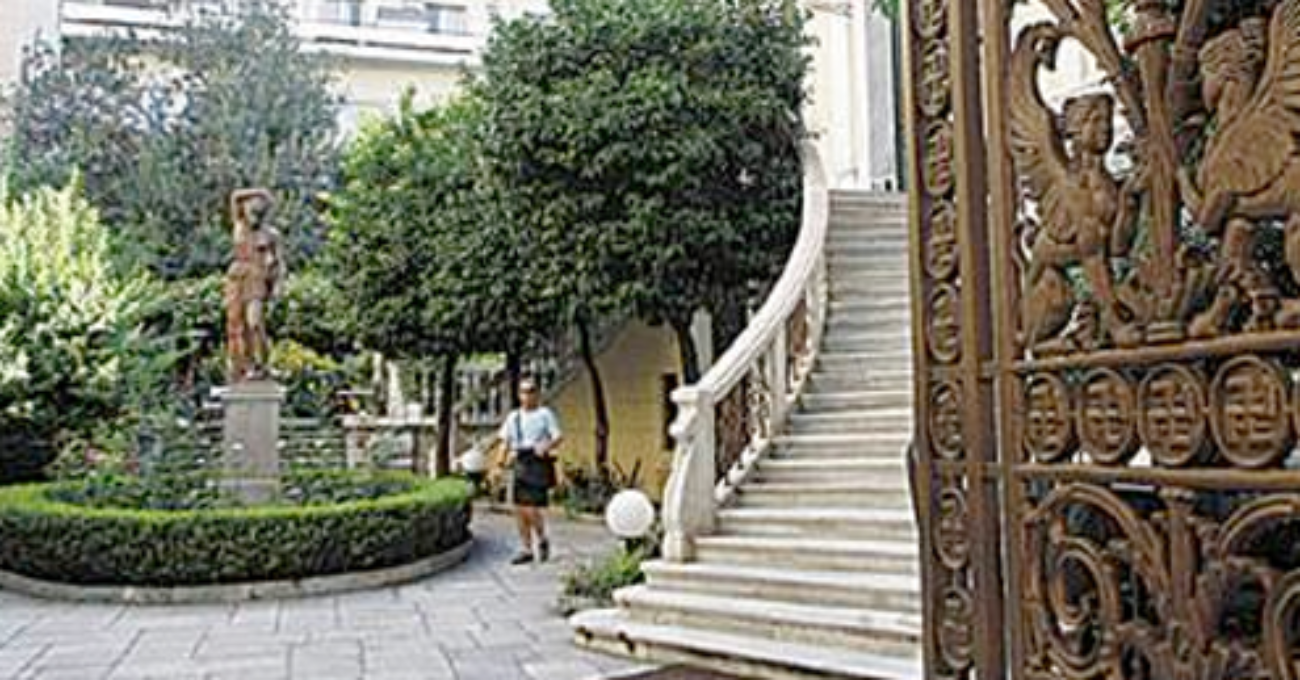
Κάπως έτσι η Βικτόρια Χίσλοπ έγινε μισή… Ελληνίδα και μισή «Αθηναία». Και κάπως έτσι θα βρεθεί απόψε στις 9 στον ωραίο κήπο και στο ωραίο καφέ του Νομισματικού Κήπου για να μιλήσει με τον δημοσιογράφο της «Κ» Νίκο Βατόπουλο για τη νέα της πόλη, την Αθήνα. Πρόκειται για μια εκδήλωση της διαδικτυακής ομάδας «Κάθε Σάββατο στην Αθήνα», που ίδρυσε πριν από δυόμισι χρόνια ο Νίκος Βατόπουλος, και της Βάσως Σωτηρίου.
Μέσα από τη χαλαρή συζήτηση σε ένα ιδανικά αθηναϊκό περιβάλλον, η Βικτόρια Χίσλοπ θα ξετυλίξει το νήμα της σχέσης της με την Αθήνα, θα θυμηθεί τις πρώτες εικόνες, θα μιλήσει για τα πολλά πρόσωπα μιας πόλης που την τράβηξε με πολλούς, διαφορετικούς και αντιφατικούς, συχνά, τρόπους.
Η κουβέντα θα γίνει, κυρίως, στα αγγλικά, χωρίς να λείπουν πάντως και τα ελληνικά, η καινούργια γλώσσα στη ζωή της Βικτόρια Χίσλοπ.
Η Βρετανίδα συγγραφέας Βικτόρια Χίσλοπ είναι πλέον κάτοικος Αθήνας. Από τότε που τη γνώρισα –μόλις είχε κυκλοφορήσει το πρώτο της βιβλίο «Το Νησί», από τις εκδόσεις Διόπτρα– αναζητούσε με πάθος τη σχέση της με την Ελλάδα. Θυμάμαι και τότε, που μου εκμυστηρευόταν ότι ευχόταν να έχει ελληνική ρίζα. Σήμερα, έχει κατορθώσει όχι μόνο να αγαπηθεί για το συγγραφικό της έργο, αλλά και να μοιράζει τη ζωή της ανάμεσα στο Kent όπου ζει με την οικογένειά της, την Κρήτη όπου περνάει τις διακοπές της και πλέον τα Πατήσια, όπου νοικιάζει το νέο διαμέρισμά της.
Αθήνα – Λονδίνο κάτι σαν Πατήσια – Παγκράτι, σκέφτομαι ότι είναι πλέον γι’ αυτήν η απόσταση, προσπαθώντας να τη συναντήσω για να μιλήσουμε για τη δική της Αθήνα. Η αφορμή μας δόθηκε από την πρόσκληση που της έγινε από τον Νίκο Βατόπουλο και τη Βάσω Σωτηρίου, για να μιλήσει στο Νομισματικό Μουσείο στις 13 Ιουνίου με θέμα «Η ομορφιά της Αθήνας».
Νέο βιβλίο, νέα μετακόμιση
Σε τι φάση βρίσκεται η συγγραφέας, αναρωτιέμαι. «Τελειώνω το νέο μου βιβλίο αυτόν τον καιρό. Πρέπει να το παραδώσω στον εκδότη μου μέχρι τον Σεπτέμβριο. Το θέμα είναι η εισβολή στην Κύπρο το 1974. Παράλληλα, μόλις νοίκιασα ένα διαμέρισμα στην Αθήνα».
Στην ερώτησή μου γιατί επέλεξε να φτιάξει νέα στέγη στην Αθήνα, εκείνη είναι ξεκάθαρη: «Ερχομαι στην Αθήνα σχεδόν κάθε μήνα, για επαγγελματικές υποχρεώσεις αλλά και για να συναντήσω φίλους. Αισθάνθηκα την ανάγκη, λοιπόν, να φύγω από τα ξενοδοχεία όπου διέμενα. Γιατί μένοντας σε ξενοδοχείο δεν γίνεσαι ποτέ μέρος της πόλης. Το διαμέρισμα βρίσκεται πολύ κοντά στη Βάσω (σ.σ.: η Βάσω Σωτηρίου είναι η μάνατζέρ της), εκεί κοντά στην πλατεία Αμερικής. Είναι πολύ ζωντανό και μου αρέσει αυτό το κομμάτι της Αθήνας. Αναζητώ, άλλωστε, να γράψω για την Αθήνα, γιατί είναι πηγή έμπνευσης αυτή η πόλη. Μένοντας, λοιπόν, σε διαμέρισμα σκέφτηκα ότι θα ζήσω την πόλη από μέσα. Ηδη ήρθα σε επαφή με την ελληνική γραφειοκρατία, βάζοντας ρεύμα στο σπίτι…».
Της ζήτησα να μου περιγράψει τις συνήθειές της στην Αθήνα: «Η δική μου Αθήνα είναι οι άνθρωποι. Οταν είχαμε τα γυρίσματα του “Νησιού”, έκανα αρκετούς ξεχωριστούς φίλους και όλοι μένουν στην Αθήνα. Ερχομαι, λοιπόν, για να τους συναντήσω. Κι επειδή σχεδόν όλοι έχουν σχέση με το θέατρο, μαθαίνω μέσα από αυτούς τις θεατρικές σκηνές της πόλης. Αναζητώ πάντα να δω ένα έργο. Με το θέατρο εξασκώ και τα ελληνικά μου. Επίσης, λατρεύω την ελληνική μουσική. Εκεί έχουμε μερικά προβλήματα με τους Αθηναίους φίλους μου, γιατί δεν συμφωνούμε στα γούστα. Εγώ τους τραβάω σε όλες τις συναυλίες του Ρέμου. Τώρα που το σκέφτομαι, δεν έχω δει την Αννα Βίσση και αυτό θα είναι πολύ σπουδαία εμπειρία. Οι φίλοι μου λένε ότι είμαι πολύ ποπ, αλλά αυτό μου συμβαίνει όταν είμαι στην Αθήνα. Βέβαια, κάθε φορά που τους πάω, περνάνε υπέροχα».
Η ελληνική κουζίνα
Και η σχέση της με το φαγητό; Μου λέει στα ελληνικά για το πόσο της αρέσουν τα φασολάκια και τα διάφορα τυριά. «Παχαίνω στην Ελλάδα. Λατρεύω το λάδι σας. Ευτυχώς, ξαναγυρίζω στην Αγγλία και αδυνατίζω. Για να γνωρίσεις την Ελλάδα, πρέπει έτσι και αλλιώς σαν χαρακτήρας να είσαι ανοικτός. Δεν είναι εύκολη χώρα για έναν ξένο. Για παράδειγμα, αυτή η χώρα σε μαθαίνει να είσαι υπομονετικός. Δεν έρχονται τα πράγματα όπως τα προγραμματίζεις, έχουν άλλους ρυθμούς. Οι φίλοι που έχω στην Αγγλία δεν έχουν την ίδια άποψη. Αλλοι χάθηκαν, άλλους τους κορόιδεψαν, είναι εύκολο να την παρεξηγήσεις και να της γυρίσεις την πλάτη. Εγώ ανακάλυψα εδώ το περπάτημα. Ετσι βρίσκεις και τις γειτονιές. Βλέπεις πράγματα που δεν θα μπορούσες να ανακαλύψεις. Αυτό είναι το μυστικό στην Αθήνα. Να μην παίρνεις ταξί». Εκφράζει τη δυσαρέσκειά της για τους ταξιτζήδες. «Είναι οι Ελληνες που συμπαθώ λιγότερο».
Είναι εύλογο να ρωτήσει κανείς πώς τα καταφέρνει: «Εχω πολλή ενέργεια. Ξυπνάω στις 7 το πρωί κάθε μέρα. Αξιοποιώ κάθε ώρα της ημέρας. Πρέπει μέσα σου να λες τι θέλεις να κάνεις, να μη βάζεις τον εαυτό σου σε δεύτερη μοίρα. Ξέρω πολλές γυναίκες που νομίζουν ότι η δουλειά του άνδρα τους είναι πιο σημαντική. Δεν βλέπω κανένα λόγο να το κάνω αυτό. Οταν μεγάλωσαν τα παιδιά, τα πράγματα έγιναν ακόμη πιο εύκολα για μένα».
Ναι στη θάλασσα, όχι στο κάπνισμα
Ζητάμε από τη συγγραφέα να μας ονομάσει ένα ελληνικό στοιχείο που αγαπάει και άλλο ένα που την ενοχλεί. Ιδού η απάντησή της:
«Η ελληνική θάλασσα δεν υπάρχει πουθενά στον κόσμο. Εχω μια φωτογραφία στον υπολογιστή μου και κάθε πρωί με αυτή τη φωτογραφία αρχίζω την ημέρα μου. Αυτό που με ενοχλεί, εκτός από τους ταξιτζήδες που χαλάνε την εικόνα σας, είναι το κάπνισμα. Μόλις έρχομαι στην Ελλάδα, βήχω αντανακλαστικά. Δεν μπορώ να καταλάβω γιατί μολύνετε τους πνεύμονές σας με κάτι τόσο δηλητηριώδες».
H Victoria Hislop, καλεσμένη του Νίκου Βατόπουλου και της Ομάδας του «Κάθε Σάββατο στην Αθήνα» και της Βάσως Σωτηρίου, θα μιλήσει στο Καφέ του Νομισματικού Μουσείου, την Παρασκευή 13 Ιουνίου 2014, και ώρα 21.00, με θέμα «Η ομορφιά της Αθήνας».
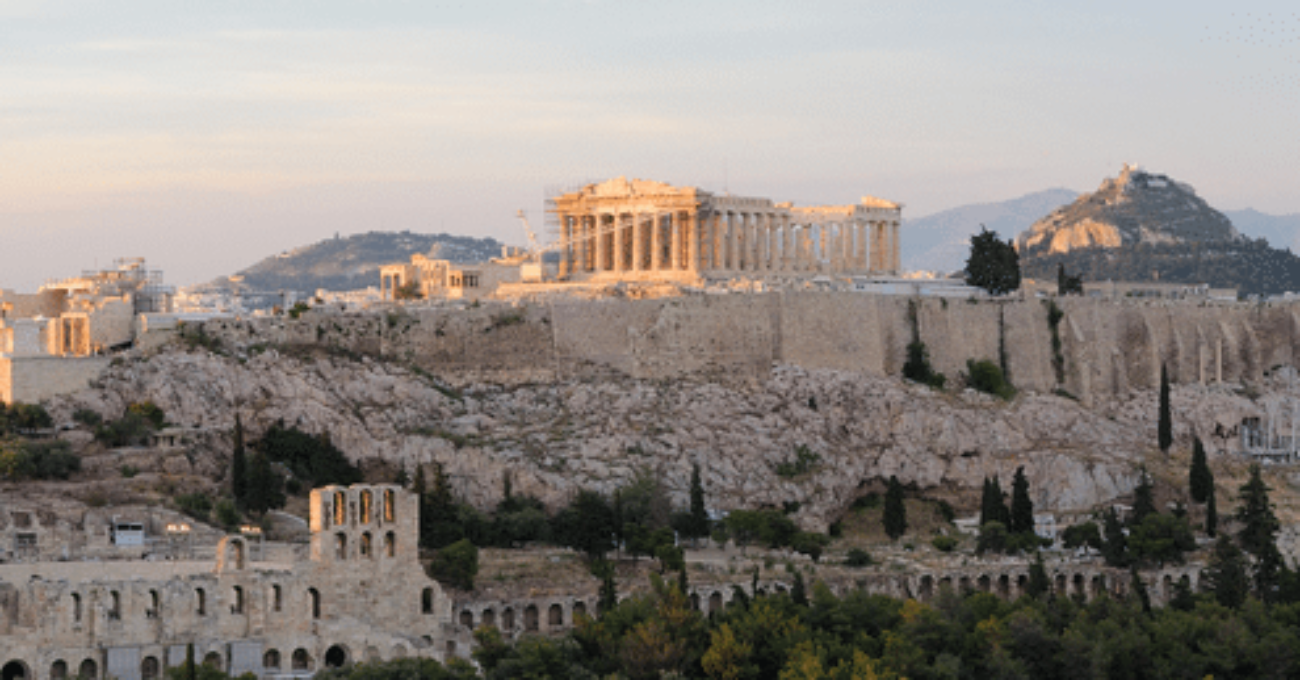
I was lucky enough to be at Kings College to hear this lecture being delivered last May – but here it is in its entirety for everyone who would like to know “Why Greece Still Matters Today.”
To celebrate our 90th anniversary, Maggie Semple Ltd have arranged a special Semple Secrets event on 23rd June at the exclusive club at the Ivy restaurant in London.
Maggie Semple OBE is a fashion writer and publisher and holds regular Semple Secretsevents with inspiring women from a diverse range of industries.
On the night Maggie will be in conversation with our ambassador and best-selling author of The Island, Victoria Hislop.
The Island, which held the number one slot in the Sunday Times paperback charts for eight consecutive weeks, is an enthralling story of dreams and desires, of secrets desperately hidden, and of leprosy’s touch on an unforgettable family.
We would like you to join us at this exclusive event but there are a limited number of spaces so hurry and book now.
Tickets cost £50 and includes drinks, canapes and raffle ticket.
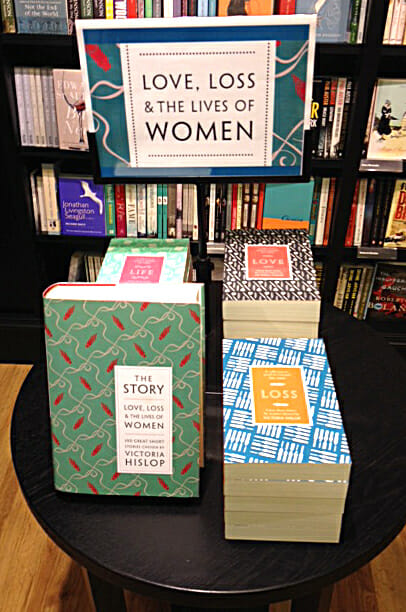
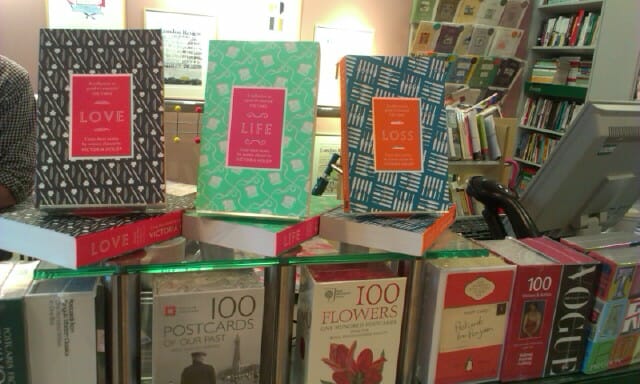
Victoria Hislop’s critically acclaimed “The Story”, a hand-picked collection of her favourite short stories by women writers – prizewinners, famous wits, well-known feminists, national treasures and rising stars – is now available in three, themed collections.
“A collection so good it’s essential.” The Times
“Victoria Hislop’s collection of favourite short stories by other female writers, simply titled The Story has given me more pleasure this year than almost all the rest of my reading put together. Like a box of festive Quality Street, you can dip in and never be sure what you will encounter – it might be Virginia Woolf or Alice Munro, this year’s Nobel Prize for Literature winner. Hislop highlights some of the very best writing of the past 200 years, with topics that range far and wide, from humour to pathos, and politics to sex.”
Witty, heartbreaking, shocking, satirical: the short story can excite or sadden, entice or repulse. The one thing it can never be is dull. Author Victoria Hislop, a passionate ambassador for the art of the short story, has hand-picked one hundred stories from the very best women writers, bringing them together in a beautifully produced volume, with a personal introduction.
‘Love is, of course, a central preoccupation of literature…’
Love is represented in this volume in all its guises – romantic, maternal, happy and haunting.
CONTRIBUTORS: Katherine Mansfield, Dorothy Parker, Doris Lessing, Margaret Drabble, Angela Carter, Margaret Atwood, Ellen Gilchrist, Alice Walker, Mavis Gallant, Carol Shields, Anne Enright, Elspeth Davie, Alison Lurie, Jennifer Egan, Jeanette Winterson, Claire Boylan, Maggie Gee, Colette Paul, Rachel Seiffert, Yiyun Li, Nadine Gordimer, Miranda July, Chimamanda Ngozi Adichie, Carys Davies, Alison MacLeod, Emma Donoghue, Roshi Fernando, M. J. Hyland and Avril Joy.
‘I think few of the stories in Loss will leave readers cold…’
All the stories in this volume are about loss: lost lives, lost loves, lost innocence, even a lost leopard. The many ways in which loss touches our lives are shown in these varied stories.
CONTRIBUTORS: Katherine Mansfield, Elizabeth Bowen, Dorothy Parker, Shirley Jackson, Flannery O’Connor, Elizabeth Taylor, Jean Rhys, Anna Kavan, Muriel Spark, Ellen Gilchrist, Penelope Fitzgerald, Lorrie Moore, Hilary Mantel, Susan Hill, Colette Paul, Yiyun Li, Helen Simpson, Edna O’Brien, Edith Pearlman, Emma Donoghue, Carrie Tiffany and Lucy Wood.
‘Life provides infinite shades of light and dark…’
All the stories in this volume are about life – happy, sad, mundane and extraordinary – it is captured here in all its rich variety.
CONTRIBUTORS: Willa Cather, Virginia Woolf, Ellen Gilchrist, Dorothy Parker, Doris Lessing, Penelope Fitzgerald, Margaret Atwood, Penelope Lively, Anita Desai, Alice Munro, Elspeth Davie, Penelope Fitzgerald, Alice Walker, A. M. Homes, Anne Enright, Elizabeth Jolley, Jane Gardam, Alison Lurie, Nicola Barker, Jennifer Egan, Muriel Spark, Hilary Mantel, A. S. Byatt, Maggie Gee, Ali Smith, A. L. Kennedy, Polly Samson, Helen Simpson and Stella Duffy.
Praise for “The Story”
Victoria Hislop’s collection of favourite short stories by other female writers, simply titled The Story has given me more pleasure this year than almost all the rest of my reading put together. Like a box of festive Quality Street, you can dip in and never be sure what you will encounter – it might be Virginia Woolf or Alice Munro, this year’s Nobel Prize for Literature winner. Hislop highlights some of the very best writing of the past 200 years, with topics that range far and wide, from humour to pathos, and politics to sex. Books of the Year: Mariella Frostrup, Mail on Sunday
“This huge, beautiful book is a treasure chest of 100 women’s short stories chosen by Victoria Hislop. There are classics, such as Elizabeth Taylor’s The Blush and Katherine Mansfield’s The Canary. In fact, the index reads like a roll-call of the best female writers of the past century, from Virginia Woolf to Hilary Mantel. Alongside Helen Simpson’s brilliant Up at a Villa, in which heartless teenagers get a vision of their future selves, there’s Muriel Spark’s The First Year of My Life, in which a baby narrates the world events of 1918. Relative newbies such as Lucy Wood (Diving Belles) and Chimamanda Ngozi Adichie (The Thing Around Your Neck) more than-hold their own beside thundering names such as Alice Munro, Nadine Gordimer and Margaret Drabble. A collection so good, it’s essential.” The Times.
In this beautiful and vast collection, Victoria Hislop has pas picked her glittering line-up of authors to include Nobel Laureates, Man Booker, Pulitzer and Costa prize winners.[…] these stories are all written by women and represent some of the finest modern writers in the English language. Otherwise, the scope is wide, rich and often unexpected: a collection of fluffy chick-lit this is not.
Perhaps as an early means to defy preconceptions, Hislop picks Katherine Mansfield’s incomplete “An Unmarried Man’s Story” as her appetiser. Employing a male narrator and a modernist structure, Mansfield’s abstract style is challenging but rewarding. Her fragmented glimpses of past and present create an authentic circularity in the search for reality. Other writers also use the male narrator, but no one as frankly as AM Homes, whose brilliant story opens with a man analysing his manhood; “I am sitting naked on a kitchen chair, staring at it.”
Darkly comic, Dorothy Parker’s monologue “The Telephone Call” has a woman obsess about a call to an uninterested lover: so familiar and excruciating, but it blows Bridget out of the water. Doris Lessing’s aptly named “A Man and Two Women” involves a woman drawn into a relationship between two friends: an unset t lingly voyeuristic study of married life. Most memorable, perhaps, is the mercurial love of a mother, galloping on a horse wielding a sword to save her doomed, impassive daughter in Angela Carter’s subversive “The Bloody Chamber”.
The stories cross borders of distance as well as genre and time. Yiyun Li’s “Love in die Marketplace” explores an uneasy but fierce love between mother and a forsaken daughter, each clinging to the dignity of their life, after being sidelined by their rural Chinese culture. Stylistic experimentation is not overlooked and in “The Thing Around Your Neck”, Chimamanda Ngozi Adichie writes about immigrant experience in the second person, a device that lends a fresh potency where it might irritate in a novel. Surreal and symbolic, Anna Kavan’s daring story starts with a visit from “an unusually large, handsome leopard” whose appearance begins a compulsion for the unattainable.
If perfection exists in the form it comes from Alice Munro who proves herself worthy of her recent Nobel Prize. In “Miles City, Montana” and “Gravel”, Munro reveals the devastation caused by “all our natural, and particular, mistakes”. Freya McClelland, Independent
The Story is a beautifully put together collection of 100 pieces of short fiction from masters of the genre including Angela Carter, AM Homes, Alice Munro, Flannery O’Connor, Ali Smith, Emma Donoghue, Jeanette Winterson and Katherine Mansfield. Divided into the categories Love, Loss and The Lives of Women, the volume showcases the very best writing by women, and the talent and variety on display is staggeringly impressive. From Virginia WooIf’s wonderfully wry, thought-provoking A Society, in which a group of disillusioned women agree to stop having children until they have found out what the world created by men is like, to A.M. Homes’ twisted A Real Doll, in which the young protagonist develops an intense physical relationship with a Barbie, these stories illustrate just how powerful and versatile the form can be. For fans of this sometimes overlooked genre, Christmas has come early. Diva
We use cookies on our website to give you the most relevant experience by remembering your preferences and repeat visits. By clicking “Accept All”, you consent to the use of ALL the cookies. However, you may visit "Cookie Settings" to provide a controlled consent.
This website uses cookies to improve your experience while you navigate through the website. Out of these, the cookies that are categorized as necessary are stored on your browser as they are essential for the working of basic functionalities of the website. We also use third-party cookies that help us analyze and understand how you use this website. These cookies will be stored in your browser only with your consent. You also have the option to opt-out of these cookies. But opting out of some of these cookies may affect your browsing experience.
Strictly necessary cookies are absolutely essential for the website to function properly. These cookies ensure basic functionalities and security features of the website, anonymously.
Cookie
Duration
Description
__cf_bm
30 minutes
This cookie is set by CloudFlare. The cookie is used to support Cloudflare Bot Management.
__cfduid
1 month
The cookie is used by cdn services like CloudFlare to identify individual clients behind a shared IP address and apply security settings on a per-client basis. It does not correspond to any user ID in the web application and does not store any personally identifiable information.
_icl_visitor_lang_js
1 day
This cookie is stored by WPML WordPress plugin. The purpose of the cookie is to store the redirected language.
bp-activity-oldestpage
session
This cookie is set by the provider Buddy Press activity. This cookie is used for storing the information when navigating through the pages. It helps to provide a "load more button".
cookielawinfo-checkbox-analytics
11 months
This cookie is set by GDPR Cookie Consent plugin. The cookie is used to store the user consent for the cookies in the category "Analytics".
cookielawinfo-checkbox-functional
11 months
The cookie is set by GDPR cookie consent to record the user consent for the cookies in the category "Functional".
cookielawinfo-checkbox-necessary
11 months
This cookie is set by GDPR Cookie Consent plugin. The cookies is used to store the user consent for the cookies in the category "Necessary".
cookielawinfo-checkbox-others
11 months
This cookie is set by GDPR Cookie Consent plugin. The cookie is used to store the user consent for the cookies in the category "Other.
cookielawinfo-checkbox-performance
11 months
This cookie is set by GDPR Cookie Consent plugin. The cookie is used to store the user consent for the cookies in the category "Performance".
lang
This cookie is used to store the language preferences of a user to serve up content in that stored language the next time user visit the website.
PHPSESSID
session
This cookie is native to PHP applications. The cookie is used to store and identify a users' unique session ID for the purpose of managing user session on the website. The cookie is a session cookies and is deleted when all the browser windows are closed.
viewed_cookie_policy
11 months
The cookie is set by the GDPR Cookie Consent plugin and is used to store whether or not user has consented to the use of cookies. It does not store any personal data.
wpml_browser_redirect_test
session
This cookie is set by WPML WordPress plugin and is used to test if cookies are enabled on the browser.
Analytics cookies are used to understand how visitors interact with the website. These cookies help provide information on metrics the number of visitors, bounce rate, traffic source, etc.
Cookie
Duration
Description
__qca
12 months
This is an analytics cookie set by Quantcast Measure. You can opt-out of all measurement by Quantcast via their site.
_ga
2 years
This cookie is installed by Google Analytics. The cookie is used to calculate visitor, session, campaign data and keep track of site usage for the site's analytics report. The cookies store information anonymously and assign a randomly generated number to identify unique visitors.
_gat
1 minute
This cookies is installed by Google Universal Analytics to throttle the request rate to limit the colllection of data on high traffic sites.
_gid
1 day
This cookie is installed by Google Analytics. The cookie is used to store information of how visitors use a website and helps in creating an analytics report of how the website is doing. The data collected including the number visitors, the source where they have come from, and the pages visted in an anonymous form.
Marketing and advertising cookies are used to provide visitors with relevant ads and marketing campaigns. These cookies track visitors across websites and collect information to provide customized ads.



 Victoria Hislop a tout d’une grande. La preuve avec ce troisième roman à succès
 Victoria Hislop a tout d’une grande. La preuve avec ce troisième roman à succès