Celebrating Cavafy

Victoria recently took part in a performance of Cavafy’s poetry, set to music by Athanasios Simoglou, and sung by the soprano, Sonia Theodoridou, at Pallas Theatre, Athens.
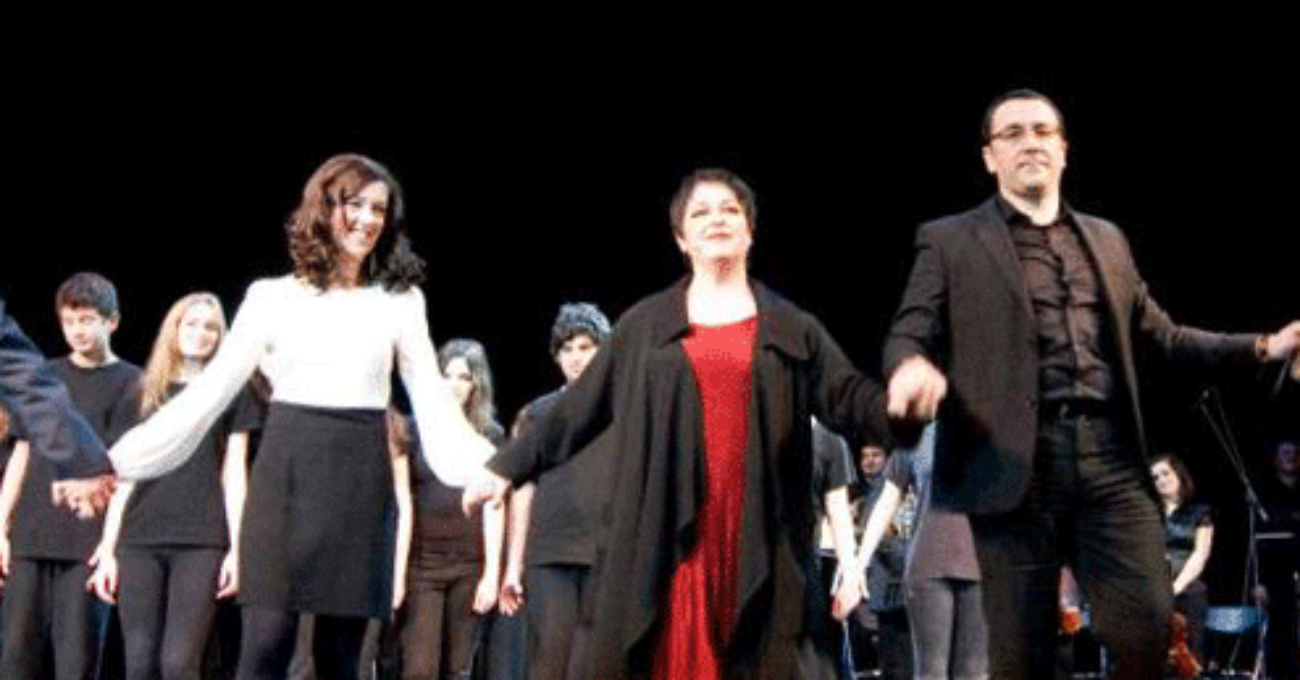
Victoria recently took part in a performance of Cavafy’s poetry, set to music by Athanasios Simoglou, and sung by the soprano, Sonia Theodoridou, at Pallas Theatre, Athens.
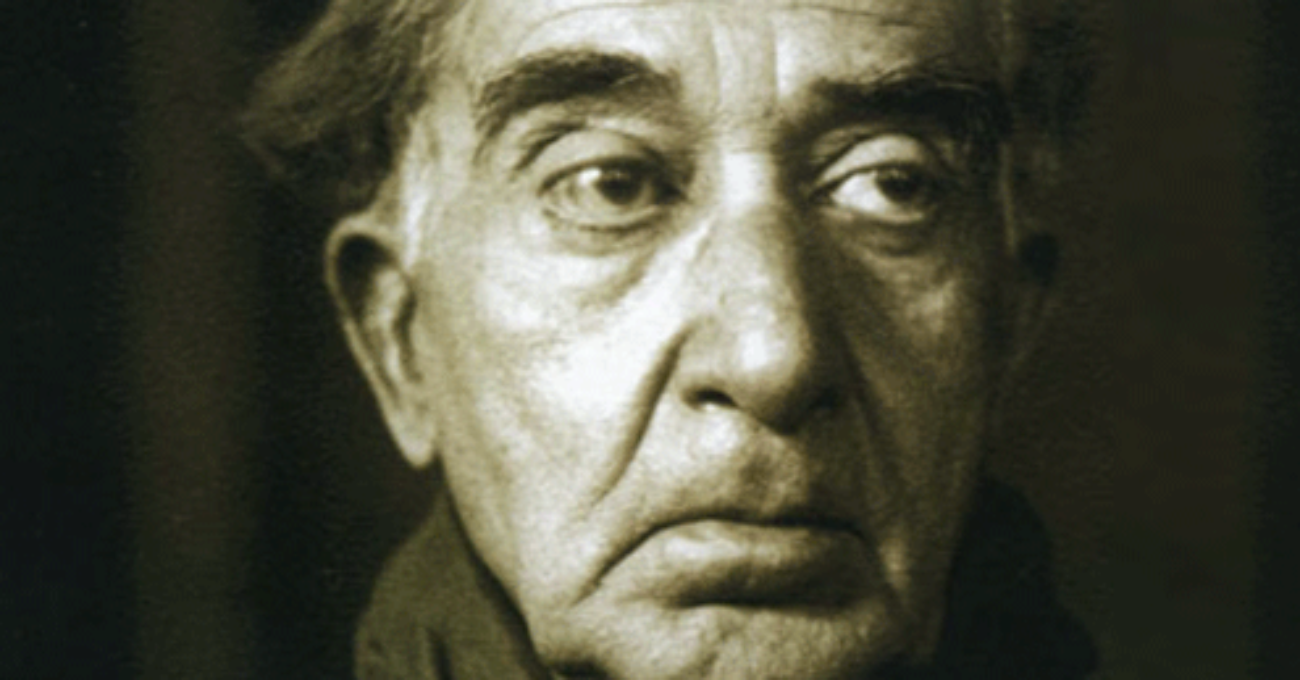
 This week, I remembered what is was like to be back at university, studying literature. On this occasion, though, I was in Greece. And it was a thrilling experience.
I came to Athens to participate in a recital of works by the great Greek poet, Cavafy, set to music by Athanasios Simoglou and sung by the wonderful soprano, Sonia Theodoridou. I read in both English and Greek and learned a huge amount in both languages.
I found that Cavafy, both in the original and in translation, spoke so directly and honestly to me that it was almost shocking. His voice seemed loud and clear, his words sprang off the page. Here is a poet that unites intellectual ideas with emotion, but where emotion never plays a secondary role. In my years at university, I rarely came across this in English poetry.
In translation, Cavafy’s poems taught me new things about the Greek soul and mentality. I discovered how close is their sense of mortality. At times I found him over-pessimistic (in “Monotonia”, for example), but then he would pick me up again and urge me to seize life and enjoy the journey. I listened to him, and realised this gave me a new understanding of Greece and why many of my friends here seem to grab life with both hands, as though each day might be their last. Their attitude makes more sense to me now.
Equally fulfilling for me was to learn new words and to expand my knowledge of the language. It’s not my role to criticise translators, but reading a translation against the original made me more determined than ever to master Greek, so that nobody gets in the way with their own interpretation. The beauty of the Greek was not always matched by the sometimes clumsy English words printed on the page.
I have much more to learn about Cavafy, both the man and his work. It is a journey I know I am going to enjoy. (Courtesy www.ellines.com)
 A long time ago there was a fairytale white Christmas; a perfect tableau that my eight year old self had been waiting for all her life.
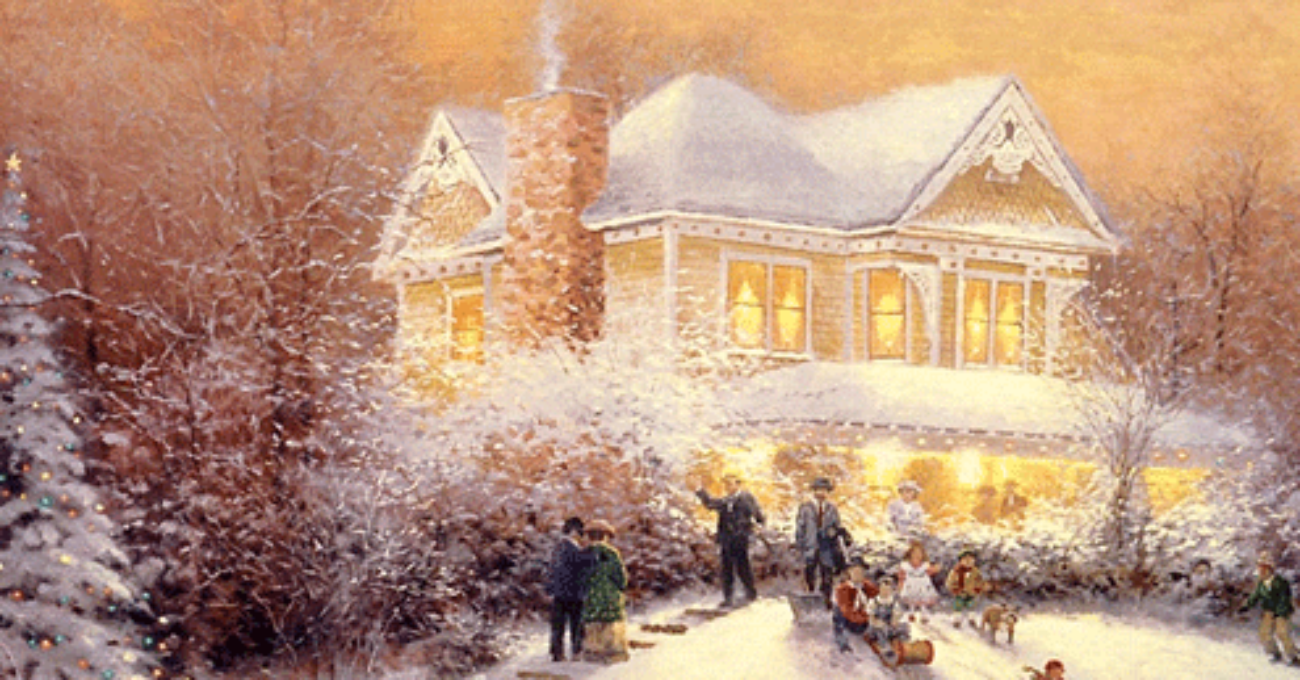
On Christmas eve, as soon as my father returned from work, we set off in the near darkness of late afternoon for an hour’s drive to the other side of Kent. My grandmother sat between my sister and me in the back seat if our Ford Popular, the three of us wrapped in a checked blanket. I’m not sure if there was any heating and there was definitely no radio, so we sang carols all the way. Perhaps it’s just in my imagination but I think I can remember the moment when the first snowflake came swirling towards the windscreen. Within a few minutes we were enveloped by a blizzard. Our destination was the house where my uncle and aunt lived (and still do to this day). It’s a picture-book Victorian villa in the countryside, the kind that a child might draw. Double-fronted with steps leading up to the front door, big fireplaces and the old staff bells still functioning, it’s a house that was built to host Christmas.
The sharpness of the night air accentuated the cosiness inside, where we were greeted by the smell of log fires and the sight of a huge fir tree, felled that day and densely dressed with silver balls. There was a tray set out with sherry for the adults and ginger ale for the children, and my aunt and uncle’s legendary hospitality had begun.
Outside, pine trees drooped with snow while robins perched on logs. Father Christmas could not be far away.
We children (me, my sister and my cousin) stayed awake talking until the small hours, aware of the regular chimes of the antique clocks that my uncle collected. The added excitement of the snowfall meant that we fell asleep only minutes before our stockings were filled with presents.
the following morning we woke up to that uncanny stillness that only snow can create. It had fallen thick and fast In the night, and when we went outside it spilled over the top of my Wellington boots.
It was a thrilling sight. I’m sure my father was already worrying about whether our car would start in two days’ time, but already the snow had made the hill down to the village impassable so we couldn’t go to church – a source of much delight to children who wanted to make a snowman and play with their presents.
It was a magical day, as was Boxing Day when we ventured out for a walk across the nearby hills, wearing new scarves and hats. Everything seemed so right – the brightness of our clothes against the white landscape and the sheer novelty of it all. It was a Christmas card come to life.
The following year our hopes for the same magical scene were disappointed. We were back to the dull green Christmas we had always known. But it was not only the weather that was wrong, there was now a chill in the air between my parents. That perfect white Christmas had marked the end of an era.
(This was first published in the Sunday Express)
 Intricate, beautifully observed and with a painter’s eye for imagery, in these stories Hislop evokes Greece, its people, its customs and traditions with a sensitivity that reveals her deep knowledge of not just the place but also the human condition.
Sunday Express
A new collection of short stories by Victoria Hislop*
In ten powerful stories, Victoria Hislop takes us through the streets of Athens and into the tree-lined squares of Greek villages. As she evokes their distinct atmosphere, she brings vividly to life a host of unforgettable characters, from a lonesome priest to battling brothers, and from an unwanted stranger to a groom troubled by music and memory.
These bittersweet tales of love and loyalty, of separation and reconciliation, captured in Victoria Hislop’s unique voice, will stay with you long after you reach the end.
Buy:
 “It’s probably one of the most personal stories I’ve written for a long time”
Victoria talks to Waterstones about her her short story Red Pins On A Map which is featured in Red – The Waterstones Anthology
The book, exclusive to Waterstones, brings together “eighteen great writers to reflect the mood and changes of 2012. Through the eyes of some of the leading fiction writers, essayists, and poets, it offers an immediate reaction to the highs and lows of the past year.”
 Victoria Hislop talks to James Naughtie and readers about her debut novel The Island, a fictional account of a real life leprosy colony, the island of Spinalonga, just off the coast of Crete. First published in 2005, The Island has now sold over a million copies.
To listen to the programme on BBC iPlayer, click here
Victoria says that when she first went to Spinalonga, as a curious tourist, she had no idea that leprosy still even existed in the 20th century. She thought it had been wiped out hundreds of years ago. Even today, around 500 new cases are diagnosed every year in India and South America.
Before writing novels Victoria was a successful travel journalist. On that first visit, her initial idea had been to write a piece for one of the Sunday newspapers, but after fifteen minutes wandering around the abandoned village on the island, she decided to tell the story in fiction instead.
The resulting novel tells the story of a family beset by two cases of leprosy in the 1930s and 50s, before the cure was found. In the 1930s, Eleni, a school teacher in the village opposite the leprosy colony, catches the disease, probably from a pupil. As the pair are exiled to Spinalonga, we see how her husband and two daughters cope in her absence, one of whom will also succumb to the disease some fifteen years later.
Victoria explores the shame and stigma of the disease through these characters and their lives and love affairs in a family saga stretching to present day London.
