Lord Byron and philhellenism, in poetry

Event at Odeon of Herodes Atticus features readings by Lina Nikolakopoulou, Victoria Hislop and Alicia Stallings, music by Tom Smail
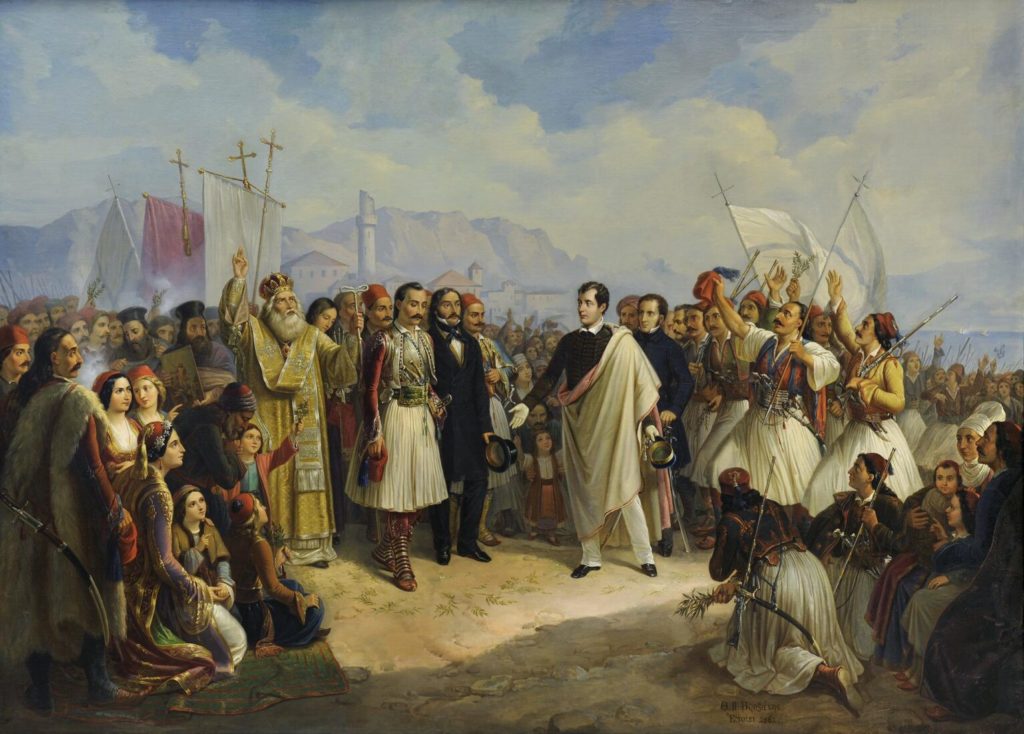
The city’s cannons sounded 37 times in Messolonghi on the day that Lord Byron breathed his last, one for each year of his short life. The news of his death was reported in the Greek Chronicles newspaper, with the announcement being among a selection of texts and poems that acclaimed Greek poet and songwriter Lina Nikolakopoulou will be reading at a concert at the Odeon of Herodes Atticus on Thursday, organized by the Society for Hellenism and Philhellenism and the Philhellenism Museum in Athens to mark the 200th anniversary of the death of the romantic British poet.
“The announcement in the Messolonghi newspaper captures the shockwaves caused by his death. It is very moving that despite the dire situation in the city at the time, the custom of firing the cannons was observed. This is something we wanted to shine a spotlight on because while we often revisit his poems and actions, it is also nice to refresh our memories about how the Greeks honored him,” says Nikolakopoulou.

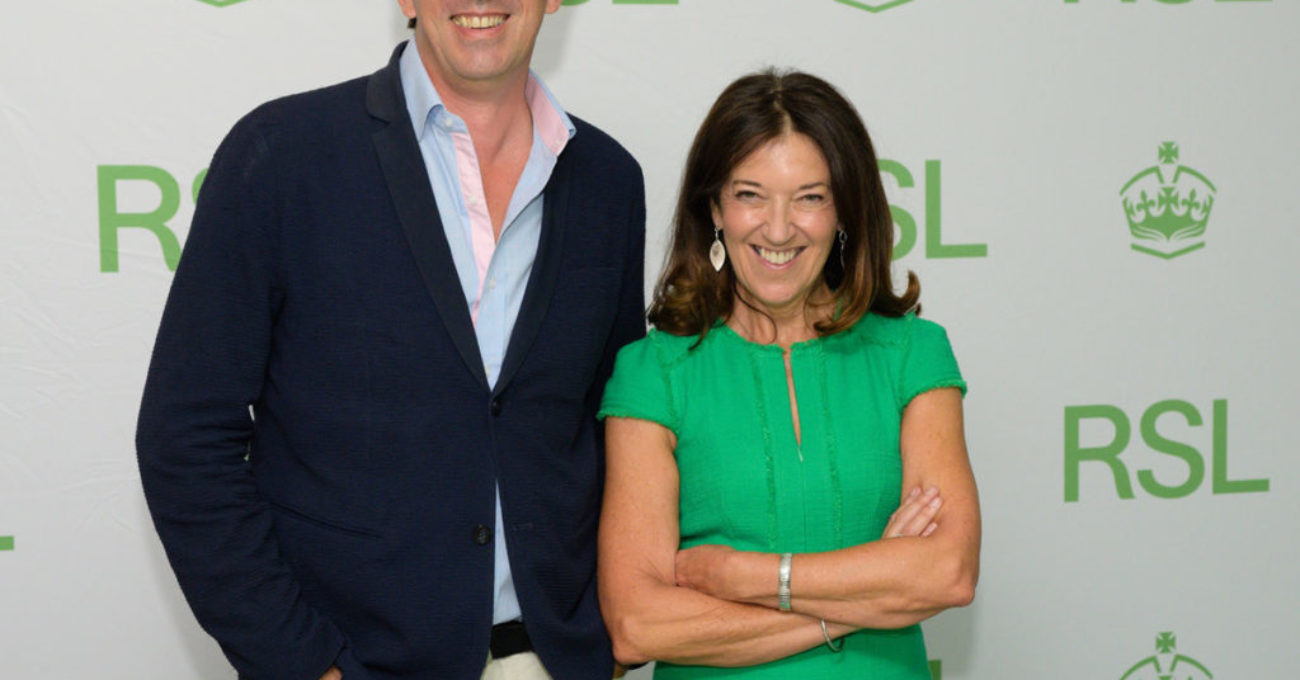
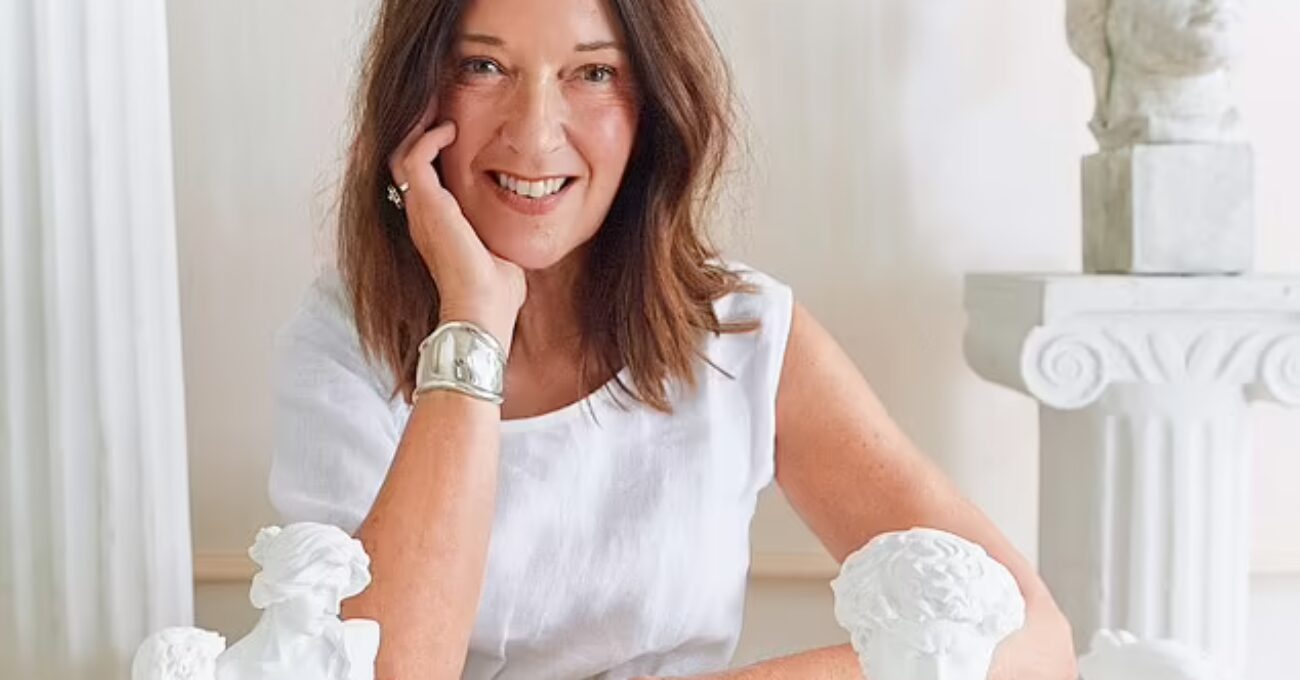
The Greek songwriter, who is also the artistic director of the performance, will be sharing the stage with British author Victoria Hislop and poet and Oxford University professor Alicia Stallings to recite poems by Lord Byron and other Greek and philhellene poets, such as Alexander Pushkin, Vittorio Sereni, Kostis Palamas and others. The recital will be accompanied with music by another British artist, composer Tom Smail.
Kathimerini reached out to the Britons taking part in this interesting performance and asked them to comment on the show and Byron. What stands out is how differently he has become imprinted on the collective conscience in the two countries.
“We grew up from our school days with Lord Byron. He’s one of our great poets, he’s very much on the curriculum,” says Hislop.
“In Greece I think he is known foremost as a hero who drew attention to the country’s needs in the liberation from the Ottomans. But in Britain the two other aspects of his reputation live on too – he was well known as an infamous seducer, as well as being known as a great poet. It’s almost the first thing that comes up when you look online. He was a very rounded but also very complex human being – like a superman with flaws. The most famous quote about him was that he was ‘mad, bad and dangerous to know,’” she adds, quoting a phrase used by Lady Caroline Lamb (1785-1828) to describe her lover Lord Byron.
‘Byron loved Greece, he absolutely adored it, and I think that’s what philhellenism is, it’s a love of somewhere that’s not necessarily rational’
“Ι think we don’t appreciate how famous he was. I mean, he was rock star level famous. He writes that ‘I awoke one day to find myself famous.’ I think ‘Childe Harold’s Pilgrimage’ sold out 10,000 copies almost immediately in its first run. A book of poems now, if it sold 10,000 copies, would be the biggest selling poem in a decade. Basically everyone who could read, everyone who was literate, got a copy of this book,” says Stallings.
“Obviously he also invented the sexy author photograph – with the open shirt, the poet’s blouse – on book covers,” she adds. “Women and men found him sexy, I think by our standards, he’s certainly bisexual, and he influences this idea of the romantic hero.”
Hislop agrees on his incredible sex appeal and popularity. “Women just fell at his feet, you know, fainted. He was like a pop star, like Harry Styles. When he arrived in Messolonghi for the first time, people were just swarming, you know, in this big crowd to try and see this person, and he obviously did have great charisma.”
In Greece, however, what he is most remembered for is his support for the Greek people and their struggle for liberation.
“He’s clearly wrestling with some of the issues of the time, some of them very similar to things we might say today. Take Palestine, for example, where you have people saying: ‘Are the Palestinians ready to govern themselves? I don’t think they are.’ Byron says the same kind of thing, that any people under occupation can’t be judged for what they would do if they were free,” says Stallings.
She also notes that Byron was the only British romantic poet who did not try to “make the Greeks be the ancient Greeks. He sees them for who they are.”
Byron’s life, words and decisions have elevated him to the status of the ideal philhellene in Greece. To what degree, however, has he influenced modern-day philhellenism?
“This very romantic image of classical Greece that he paints, that incorporates the place, the beauty, the landscape, as well as Greek heroism, classical Greek heroism, with battles and gods, those are the key ingredients that to some extent do still define many people’s idea of what Greece is, and that relationship between Britain and Greece is still, you know, to some extent it is sort of romantic with a capital R,” says Hislop. “He lived in a period where literature could still have such a huge influence on your emotional idea of what a place was, and Byron loved Greece, he absolutely adored it, and I think that’s what philhellenism is, it’s a love of somewhere that’s not necessarily rational.”
“That feeling, that feeling of going somewhere ancient and modern at the same time and feeling free and feeling at home and feeling happy, I think is what philhellenes feel, which is why there’s such a special place for Byron in our hearts,” says Smail.
For Stallings, “a modern philhellene would not put their life on the line. You have to give him credit for doing that.” She also believes that Lord Byron “would enjoy getting to know contemporary Greece in all of its complexity.”
“I expect him to, you know, join protests in the streets in Syntagma. Sure, yeah. He could write some protest slogans.”
“I think he’d probably be more shocked by what’s happened in the country of his birth than Greece,” says Hislop, adding that he would probably be a social media user. “In some ways, he was an early influencer,” she says, adding, “I think he’d be quite furious that the Parthenon Sculptures were still in the British Museum.”
Admission to the event is free of charge, by invitation via info@eefshp.org.
BY XENIA GEORGIADOU
Kathimerini
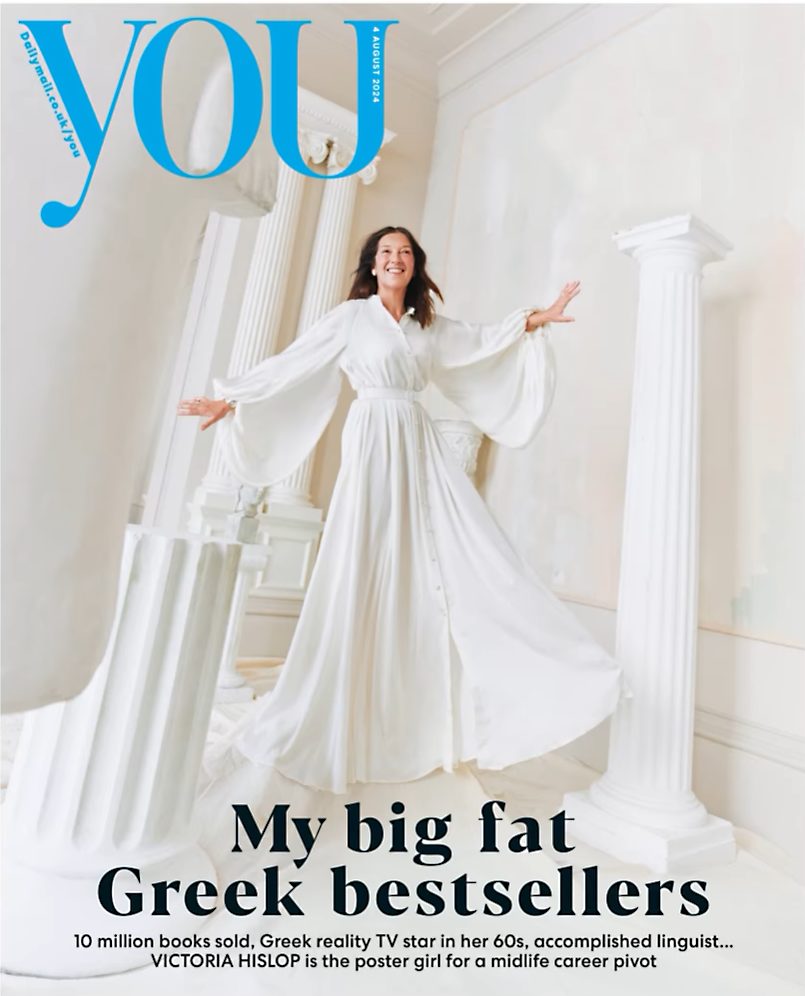
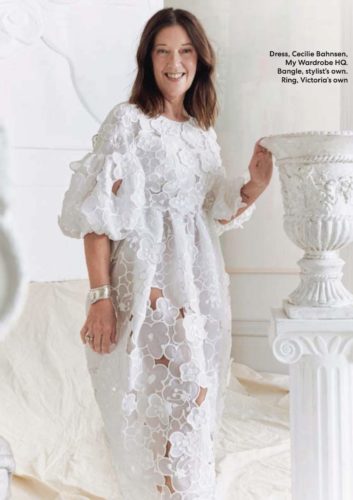 “That came from having to speak throug a translator in interviews,’ she explains. ‘I felt such a dummy, so back in London I found the Hellenic Centre and said I want a one-to-one teacher three times a week. I just stuck at it and ended up coming for a few years.’ Hislop uses the word ‘nerdy’ a lot, but it’s modest shorthand for possessing a strong work ethic, something she’s had since childhood, growing up in Tonbridge in Kent. Back then she wanted to impress her formidable teachers at school, but inspiration and learning came from another source: her mum’s new boyfriend. ‘By the time I was 13, my parents had separated and my mum was in a relationship with a Frenchman called Michel who I adored and learned such a lot from. I worked in his restaurant on Saturday nights, we played tennis every weekend and I spoke French to him all the time. That’s how I became fluent in French. so of course I was top of the class in French,’ she says with a grin. She studied English at Oxford where she met Ian, then worked at publishers Sidgwick Jackson. As the salary barely covered her ren&t, she took a Saturday job at Selfridges staffing the cheese and nut counters. She would finish, rush for the train to Kent, shift at Michel’s and return the next day to start back at Sidgwick. ‘They were good days,’ she says. ‘Kenneth Williams used to come into Selfridges every Saturday, and I lived above a bakery that smelt of pastries. Although there did come a point when I thought, “I don’t want to worry about money any more”, so I moved into advertising. By 28 I had a BMW and my own parking space in London. You should see our wedding photos: on my side there were a lot of corporate shoulder pads.’ The 20-something who took three jobs to balance the books became the 30-something mum who went back to work just weeks after the birth of her daughter Emily. ‘They were the Nicola Horlick “superwoman” days,’ she reminds me. ‘I expressed my milk in the loo, not even questioning if it was right or wrong, but all I knew was that I was miserable. Finally, I spoke up and my employers gave me freelance copywriting work. Then there was the trip to Crete that changed everything.’ In true Hislop style she turned a setback into an opportunity on that group holiday in 2001. ‘We were staying in very basic apartments so we planned lots of excursions. Ian was usually the driver of them, but I’d spotted the former leper colony Spinalonga. I wasn’t confident about suggesting it – it’s not exactly a waterpark – but the minute we got there I was entranced and knew I had to write about it and the people who once lived there.’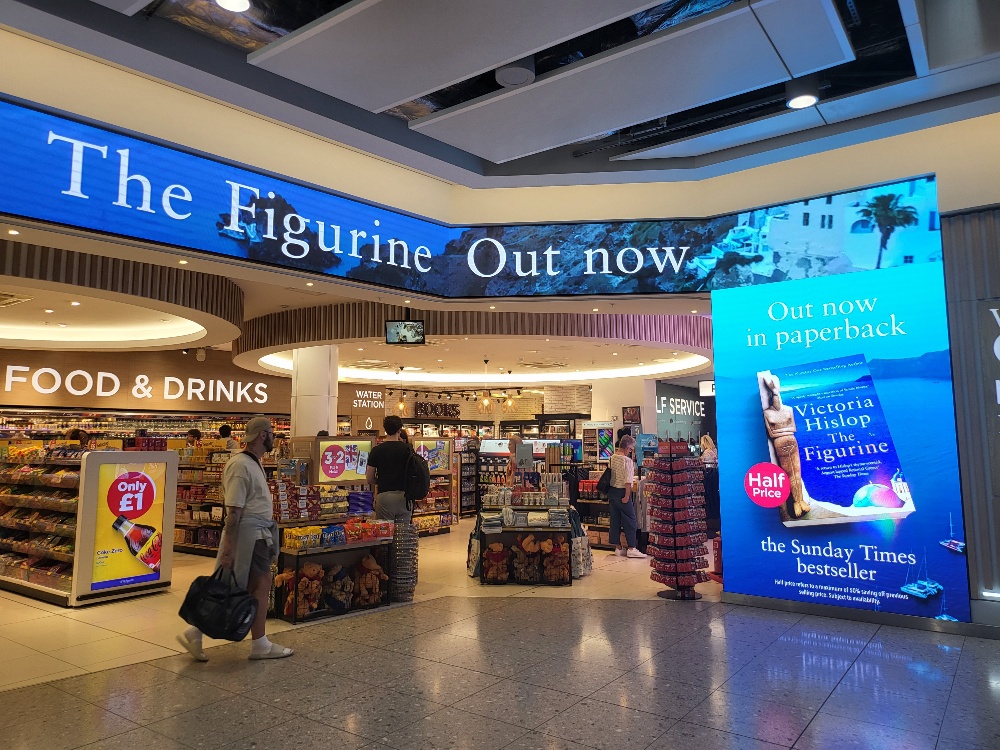
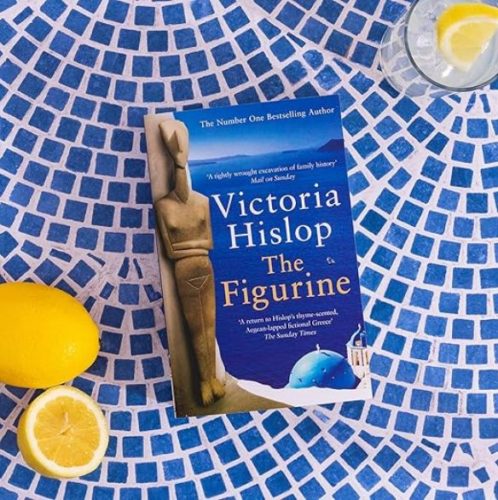 Hislop leads a chart that has Freida McFadden, Colleen Hoover and Sarah J Maas all notching three places in the Top 50. McFadden and Hoover are surging: the former with three books in the top 14, all of which moved up week-on-week; the latter’s trio are all in the top 10, two of which are versions of It Ends With Us (Simon & Schuster), ahead of the Blake Lively-starring adaptation launching in UK cinemas this Friday (9th August).